The Hidden Wounds of Parental Rejection
The wound of parental rejection may have shaped you, but it doesn’t have to define you forever.
When a parent rejects or abandons a child, the pain doesn’t just go away over time. It imprints itself into how you see yourself, how you trust others, and how you respond to love. These experiences shape the stories you tell yourself about worth, belonging, and relational safety.
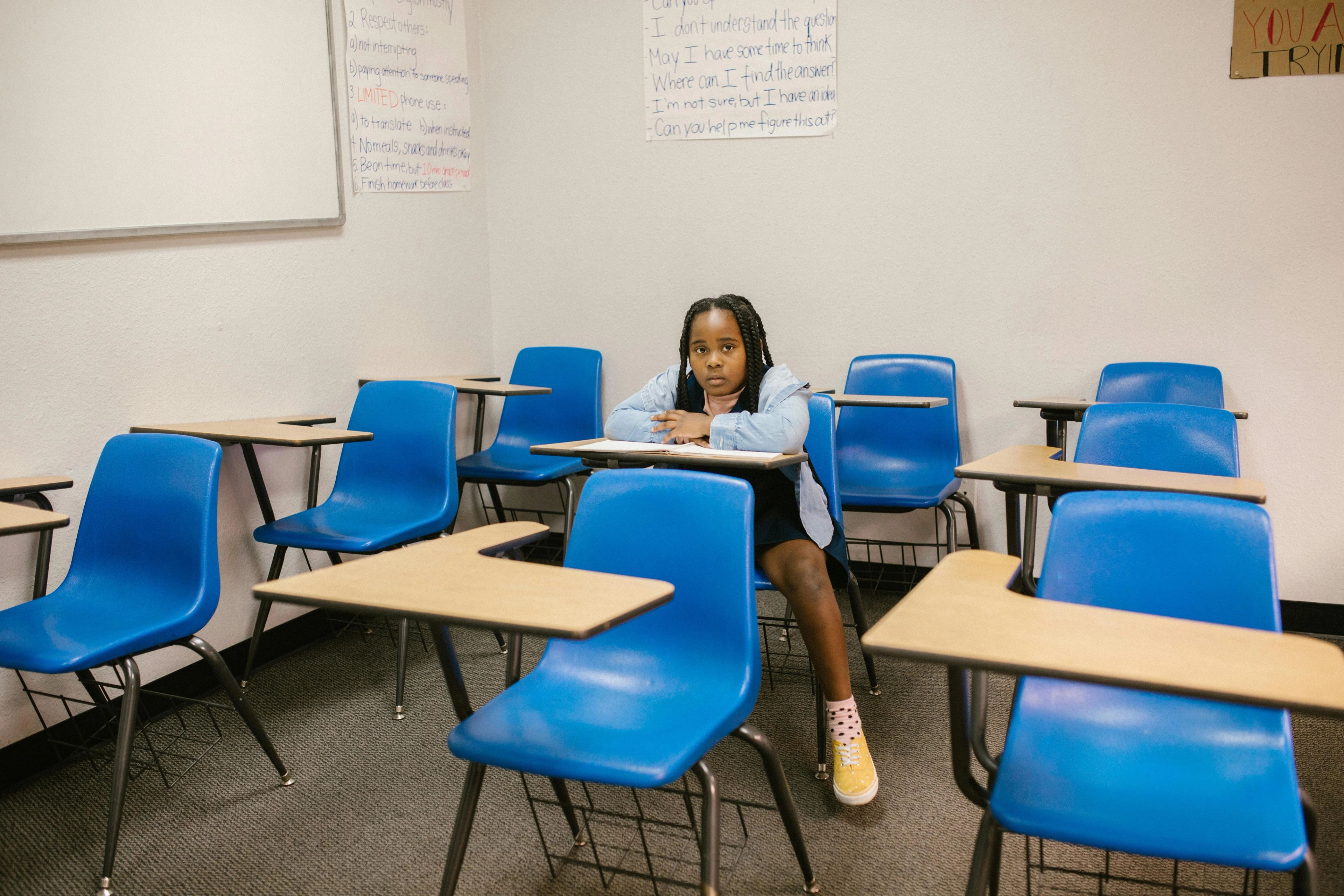
Many adults who experienced parental rejection don’t even identify what happened as “abandonment.” They may say things like, “My parent just wasn’t affectionate,” or “We weren’t close.” Or maybe they had a parent who loved conditionally, and disappeared emotionally the minute there was conflict. In adulthood, these patterns can leave us with lingering questions: Was it really that bad? Shouldn’t I be over it by now? Research clearly indicates that perceived parental rejection has significant and lasting consequences. Understanding how this impacted you is the first step in moving forward.
Why Rejection Hurts So Deeply
Children are naturally wired to seek safety and a sense of belonging from their caregivers. Our earliest sense of self is built in response to how those caregivers look at us, touch us, comfort us, and respond to our needs. When that care is withheld or when a parent is emotionally unavailable, critical, absent, or rejecting, the brain registers it as danger.
There are long-term consequences for adults who were rejected or abandoned by a parent. Adults who remember feeling unwanted or dismissed by their parents show greater physiological reactivity to stress, higher levels of shame, and more difficulty trusting others, as well as higher rates of depression, anxiety, and relationship difficulties in adulthood. These effects tend to persist even into older adulthood. This isn’t because rejected children are inherently “bad” or “fragile”; it’s because the nervous system learns that the connection with the parent is unsafe.
The Stories We Tell Ourselves After Rejection
Perhaps the most damaging consequence of parental rejection is the story it creates inside us. Children naturally turn inward to make sense of what’s happening around them. If a parent leaves or ignores them, a child rarely thinks, “My parent has limited emotional capacity.” They think, “There must be something wrong with me.” Why aren’t they paying attention to me?
Research on attachment and self-concept confirms that this self-blame often persists into adulthood, showing up as low self-esteem and fear of abandonment or rejection. Many adults who were rejected as children describe feeling like they’re “too much” or “not enough.” They may over-function in relationships, try to earn love through performance, or shut down entirely to avoid being hurt again.

Over time, this becomes a lens through which everything is interpreted. A friend’s delayed text becomes proof that you’re being forgotten. A partner’s quiet mood feels like disinterest. Even small moments of distance can reactivate the original wound. It’s not that you’re overreacting. Your brain learned early that disconnection equals threat. The rejection wound makes absence, criticism, or withdrawal feel larger than life, because once upon a time, it really was.
The Hidden Layers of Shame
Shame is one of the most common consequences of parental rejection. It’s a silent, self-protective emotion that tells you, “If I caused it, I can control it.” For many, blaming themselves feels safer than facing the truth that someone who was supposed to love them chose not to.
We also know that shame and self-criticism are adaptive survival strategies to preserve attachment at all costs. A child who believes “I’m bad” can still think their parent is “good.” That belief gives them a fragile sense of safety in their inconsistent world. But as adults, that same protective story often turns into chronic self-doubt, perfectionism, and emotional withdrawal.
Research has shown that strengthening emotional competence (the ability to recognize, name, and manage feelings) can help interrupt this pattern. As adults, learning to sit with the feelings underneath shame (the grief, fear, and longing) can begin to restore self-trust and reduce reactivity.
It Was About Them, Not You
Parental abandonment and rejection are reflections of your caregiver's capacity, not your defectiveness or worth. Many parents who abandon or emotionally withdraw are themselves struggling with mental health challenges, trauma histories, or systemic stressors that limit their ability to nurture. If you want to heal from parental abandonment, you need to work on externalizing the cause of the pain. In therapy, you may work to change the story from, “They left because I wasn’t enough,” to “They left because they couldn’t stay.” Understanding this doesn’t excuse their behavior, but it does help you see the whole picture without taking the blame.
Each time you replace self-blame with context, you release some of your own shame. You begin to see your pain as something that happened to you, not something that defines you.
How Rejection Shows Up in Adult Relationships
For many people, the rejection wound re-emerges in their adult relationships. Some people fear being left and overextend themselves to prevent it; others stay distant, fearing that closeness will lead to hurt. These patterns are adaptive responses to earlier loss. But they can make it challenging to feel safe in relationships. Even small moments of disconnection, such as a partner not answering a message or a friend being distracted, can reawaken the old panic of being forgotten.
Healing From Parental Rejection
Research on parental abandonment and rejection recovery shows several protective factors that can help you heal. Self-acceptance, emotional skill-building, and supportive relationships are all crucial. People who learn to identify their emotions, regulate their stress responses, and seek safe connections tend to experience the most significant improvements in their present situation. As trust grows, both in others and in yourself, the nervous system learns that safety is possible again. This is what we refer to as “earned secure attachment”: the ability to create a sense of emotional safety through new experiences of reliability, empathy, and repair.
Healing from parental rejection also isn’t about forgetting the past. It’s about reclaiming your narrative and separating what you believed about yourself from what actually happened. You were not too needy, too emotional, or too difficult to love. You were a child asking for connection, and that is one of the most human things you could do. The wound of rejection may have shaped you, but it doesn’t have to define you forever.